

The evolution of casinos From ancient games to modern entertainment hubs
The Origins of Gambling
The history of gambling traces back thousands of years, with evidence of betting on games and events found in ancient civilizations. The earliest known forms of gambling emerged in Mesopotamia, where dice were created from animal bones, and games of chance were played. These early activities laid the groundwork for the complex gambling systems we see today. Today, players seeking alternatives might explore online casinos not on gamstop, which offer diverse gaming options for those wishing to enjoy the thrill of chance responsibly.

In ancient China, gambling was integrated into various social activities, including the popular game of Keno, which was used to fund public works. Similarly, ancient Rome saw gladiators gambling on contests, indicating that the thrill of chance and competition has always been a part of human nature.
The Rise of Formal Casinos
The 17th century marked a pivotal moment in the evolution of casinos, as formal establishments began to emerge in Europe. The first recognized casino, the Ridotto, opened in Venice in 1638, providing a regulated environment for gambling. This setting allowed people to enjoy games like baccarat and faro in a controlled atmosphere, distinguishing it from the informal betting seen previously.
As gambling gained popularity, casinos began to spread across Europe. The Monte Carlo Casino, established in the 19th century, became synonymous with luxury and glamour, attracting the elite from around the world. This shift highlighted the emergence of casinos as not just places to gamble but as entertainment venues offering a full range of experiences.
The American Casino Boom
The 20th century saw a significant transformation in the casino landscape, especially in the United States. Las Vegas emerged as the gambling capital, with lavish resorts and casinos offering a variety of gaming options. The legalization of gambling in Nevada in 1931 set the stage for rapid growth, leading to the construction of iconic establishments like the Flamingo and the Sands.
This era also saw the introduction of slot machines, which revolutionized the gambling experience. Players were drawn to the simplicity and the thrill of chance, making slots a staple in casinos. The combination of entertainment, shows, and fine dining turned Las Vegas into a premier destination for both gamblers and non-gamblers alike.
The Digital Transformation of Casinos
With the advent of the internet in the late 20th century, casinos began to embrace technology, leading to the rise of online gambling. Online casinos offered players the convenience of gaming from home, providing access to a wide range of games at any time. This digital shift not only expanded the audience but also introduced new gaming formats like live dealer games, combining the thrill of in-person gambling with online accessibility.
The mobile revolution further propelled the casino industry, allowing users to play their favorite games on smartphones and tablets. As technology continues to evolve, innovations such as virtual reality and blockchain are set to redefine the future of gambling, making it more immersive and secure for players.
Exploring Casino Culture Today
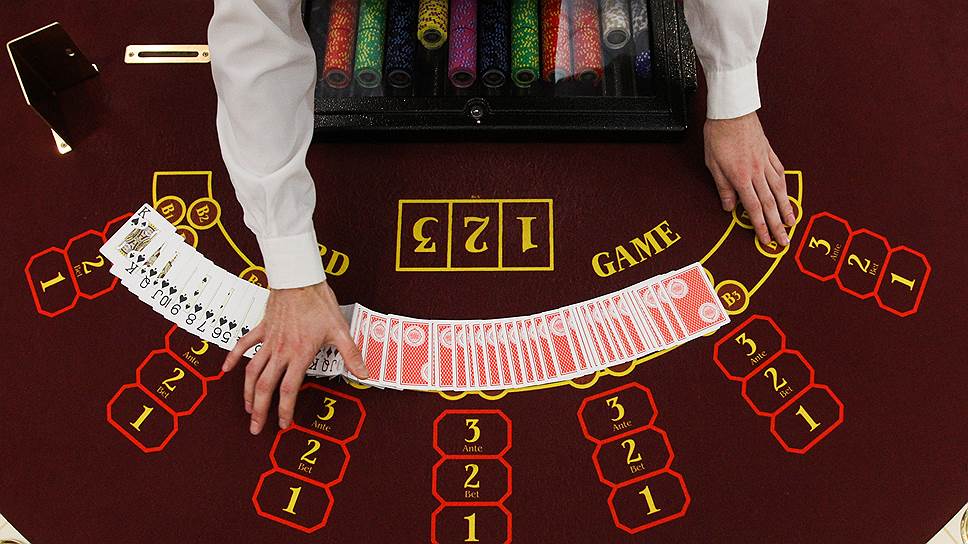
Modern casinos have transformed into multifaceted entertainment hubs that extend beyond just gaming. They now feature luxurious accommodations, fine dining, shopping, and live entertainment, creating an all-encompassing experience for visitors. This diversification reflects a shift in focus, where the casino experience is as much about entertainment and socialization as it is about gambling.
As awareness of responsible gaming grows, many casinos are implementing measures to promote safe gambling practices. This is crucial for maintaining a healthy gaming environment and ensuring that gambling remains a form of entertainment rather than a risk.